- Why field time matters
- The right order
- Field-work rules by state
- What supervisors look for
- Partner perks
- FAQ
Why field time matters
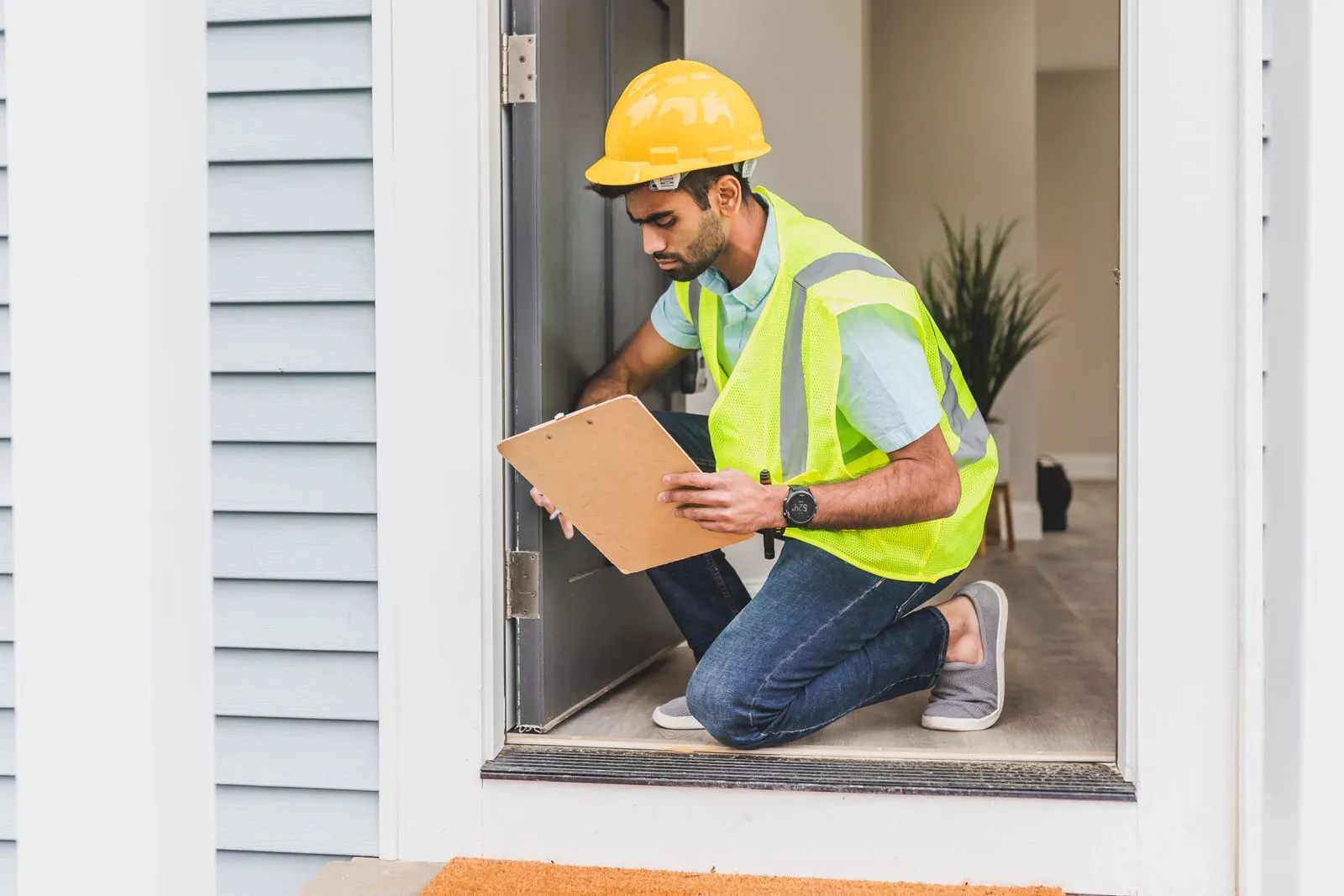
Many licensing states require supervised, parallel or ride-along inspections before you can be licensed, and they limit who can supervise. Arizona, for example, requires a parallel inspector certified for at least 3 years with at least 250 paid Arizona inspections, who reviews each of your reports. Connecticut requires your supervisor to notify the Board and be responsible for your inspections. That is a real commitment of time and liability, so every supervising inspector has limited room.
Even where no state requires it, learning on real houses next to an experienced inspector is how most people get confident enough to sign their own reports.
The right order: don’t put the cart before the horse
Join as a potential trainee
Create a free potential-trainee profile today, with zero courses. Supervising inspectors can filter for potential trainees in their area.
Line up a supervising inspector
Talk with licensed inspectors in your state or metro. Find out who has room for a ride-along trainee, whether they pay, and when they could start you.
Take your courses while you search
Do your state’s pre-license education with real field time in sight, and register as a trainee first if your state has a trainee credential.
See the full step-by-step guide and your state page for the exact order your state requires.
Still in school? Try an internship
Some inspection companies post internships for high school graduates, college students and college graduates, paid or unpaid. An internship is a low-risk way to see the work up close. It counts toward licensing only if it meets your state’s rules.
Field-work rules in states we’ve verified
| State | Supervised field work | Source |
|---|---|---|
| Alabama | 35 or 100 inspections (see education), plus 25 draft reports, 10 of them reviewed and corrected by a qualified inspector | admincode.legislature.state.al.us |
| Alaska | No set number. An associate registers by naming the registered inspector who will employ and supervise them (12 AAC 22.020) | commerce.alaska.gov |
| Arizona | 30 parallel inspections on separate homes, logged on the Board’s form. You write a report for each and may not do paid inspections during this period | apps.azsos.gov |
| Arkansas | At least 16 hours of field training, part of the qualifying education | labor.arkansas.gov |
| Connecticut | 100 inspections as an intern. The first 10 under direct supervision (supervisor on site, countersigns), the rest may be indirect. Signed log for each | cga.ct.gov |
| Delaware | At least 75 supervised inspections, counted only after the trainee registration is issued, on the Board’s experience log | dpr.delaware.gov |
| Florida | None required. The law requires a course of at least 120 hours covering structure, electrical, HVAC, roof covering, plumbing, interior, exterior and site, plus the exam | flsenate.gov |
| Illinois | The field course includes 5 field inspections and a final field exam | idfpr.illinois.gov |
| Indiana | At least 12 hours of practical experience inside the course: on-site inspection work or hands-on defect recognition in a lab (878 IAC 1-3-2) | iar.iga.in.gov |
| Kentucky | 3 unpaid home inspections under direct supervision, with written reports sent to the course provider | apps.legislature.ky.gov |
| Louisiana | 30 hours of in-field training with a certified trainer, then 10 paid live inspections attended with a certified trainer. Everything within 36 months | lsbhi.state.la.us |
| Maryland | None listed in the Commission’s license requirements | labor.maryland.gov |
| Massachusetts | 25 home inspections under direct, on-site supervision before the associate license | mass.gov |
| Mississippi | No set number. The law says the 60-hour course “may include field work,” and sets no supervised-inspection count | mhid.ms.gov |
| Montana | None. Montana law (37-55-103) requires 40 hours of instruction, association membership and E&O insurance, not supervised inspections | boards.bsd.dli.mt.gov |
| Nebraska | None in the Home Inspection Act | nebraskalegislature.gov |
| Nevada | Observe at least 25 inspections, logged on the Division’s form (a separate form for each inspector) | red.nv.gov |
| New Hampshire | None. The law and the Board’s 2026 Home 300 rules require the 80 education hours and the exam, not supervised inspections | gc.nh.gov |
| New Jersey | At least 40 hours of unpaid field-based inspections, inside the 180-hour course | njconsumeraffairs.gov |
| New Mexico | 80 hours of field training / 30 parallel inspections, on the Board’s Field Experience Log | rld.nm.gov |
| New York | The 40 field hours, or as an alternative, 100 home inspections under supervision | dos.ny.gov |
| North Carolina | At least 80 hours of field instruction with at least 10 site visits, part of a 200-hour Board-approved program (11 NCAC 08 .1021) | ncosfm.gov |
| North Dakota | None in NDCC 43-54 | ndlegis.gov |
| Ohio | 10 parallel inspections, or an approved curriculum of experience plus a peer review | com.ohio.gov |
| Oklahoma | None. The rules (OAC 158:70-9-1) require 90 hours of approved training before the exam, not supervised inspections | oklahoma.gov |
| Oregon | Each ride-along inspection earns 1 point; no separate minimum count | secure.sos.state.or.us |
| Rhode Island | Associate: 50 home inspections. Home inspector: 100 home inspections | crb.ri.gov |
| South Carolina | Exam route: at least 1 year of experience as a home inspector under supervision | llr.sc.gov |
| South Dakota | To move up to licensed home inspector: at least 1 year as registered and 100 paid inspections, with an experience log | dlr.sd.gov |
| Tennessee | None. Rule 0780-05-12 requires 90 hours of approved education and the NHIE, not supervised inspections | publications.tnsosfiles.com |
| Texas | At least 3 months as a sponsored apprentice in the past 12 months and 25 inspections under direct supervision | trec.texas.gov |
| Utah | None set by the state; the national certification you hold may have its own requirements | commerce.utah.gov |
| Vermont | None. 26 V.S.A. § 1091 and the OPR rules require the 80 hours and the exam (or an approved national certification), not supervised inspections | outside.vermont.gov |
| Virginia | At least 5 points from experience, which can include supervised inspections | law.lis.virginia.gov |
| Washington | 40 hours of supervised field training at real inspections, including at least 5 complete inspections with a report for each | dol.wa.gov |
| West Virginia | None. Rule 103CSR7 §4 requires the exam, 80 hours of instruction, insurance and fingerprints, not supervised inspections | firemarshal.wv.gov |
| Wisconsin | The 20 hands-on hours inside the 40-hour instruction | dsps.wi.gov |
Only states where every rule is confirmed against official sources (checked 2026-10-29). Other state pages mark what is still pending.
What supervising inspectors look for in a trainee
There’s no official checklist. These are the practical things that follow from what the rules and the job ask of a supervisor.
You live and can work in their area
Ride-alongs happen on their schedule at their clients’ homes, so being close by matters.
Reliable transportation and time
Inspections often start early and run a few hours. Supervisors want someone who can be there.
A realistic course plan
Which school, which course and when you expect to finish your state’s pre-license hours and exam.
Comfort with the physical side
Attics, crawlspaces, roofs and ladders are part of the job. Say what you’re comfortable with and what you want to learn.
Clear communication
Home inspection is reports, photos and client questions on a deadline. A tidy profile and prompt replies go a long way.
Respect for their clients and business
You’ll be in clients’ homes under their name. Professional conduct, and clarity about whether you might compete with them later, helps.
Partner perks · coming soon
A perk for joining before you start school
We’re inviting home inspection schools to offer a member benefit, such as a course discount, to potential trainees who joined Inspector Supervisor Match before starting their courses. No perks are live yet, and we’ll never list a school that hasn’t signed up.
Frequently asked questions
Can I really start looking before I take any classes?
Yes. Nothing stops you from talking to inspectors early. Just check your state page: in some states, supervised inspections only count after you register as a trainee or finish a course (Delaware, for example, counts them only after the trainee registration is issued).
Do I need a supervising inspector at all?
It depends on your state. In many licensing states, supervised, parallel or field inspections are part of the path. In 15 jurisdictions we found no state license at all. Even where it isn’t required, time in the field with an experienced inspector is the fastest way to learn. Check your state page.
What is a potential trainee?
Someone who wants to become a home inspector but hasn’t started courses yet. Potential trainees join free on the same terms as trainees (90 days free, then $5/mo once pricing goes live) with a simple profile, and supervisors can browse them as their own group. Join as a potential trainee.
What do I put on a profile with no courses?
Your state and metro, track (residential or commercial), languages, availability, any related work history (construction, trades, real estate) and a short bio about why you want to inspect homes.
Will an inspector take on someone who hasn’t started school?
Some will and some won’t. Many want to see a course plan and a finish date. Being upfront about where you are, and updating your profile as you progress, helps.
What are partner perks?
We’re inviting education providers to offer a benefit to members who joined before starting their courses. No perks are live yet. Join the newsletter to hear when they are.
Where do the rules on this site come from?
Every state page links the official agency, law or rule we used. Anything we couldn’t confirm is marked “not yet confirmed.” Check with your state’s licensing agency before you pay for anything.
Start your search today
Join free as a potential trainee. No courses needed.
Rules change. Always confirm requirements with your state’s home inspector licensing agency. Nothing here is legal advice.